Approved artwork, a clear model reference and site context help keep a character recognisable when it moves into a physical space.
Identify the exact character
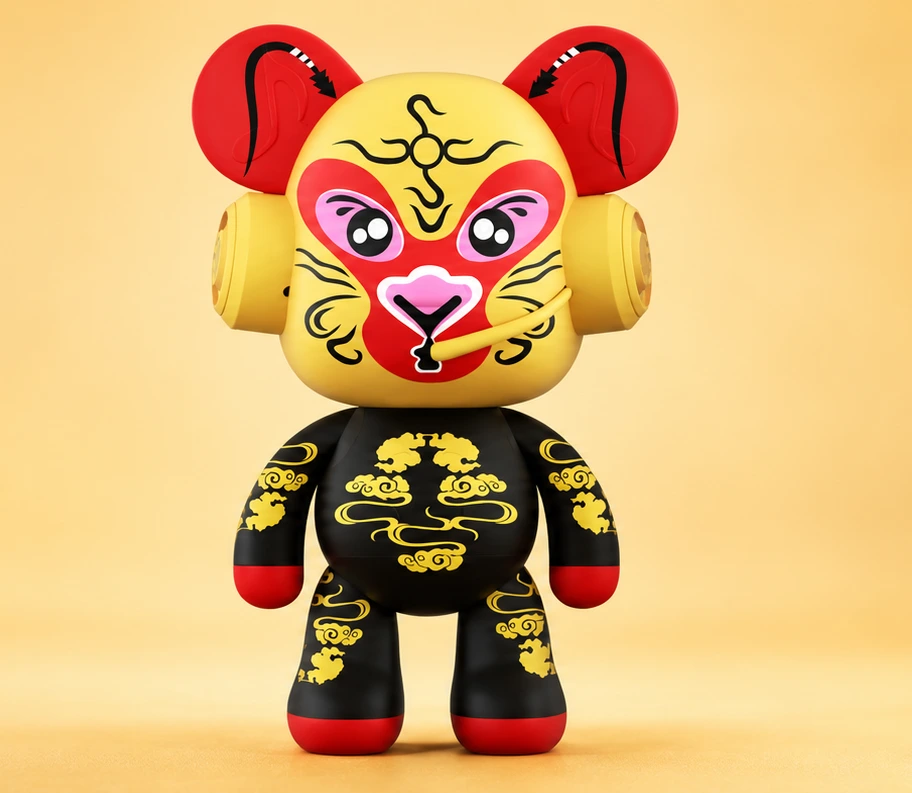
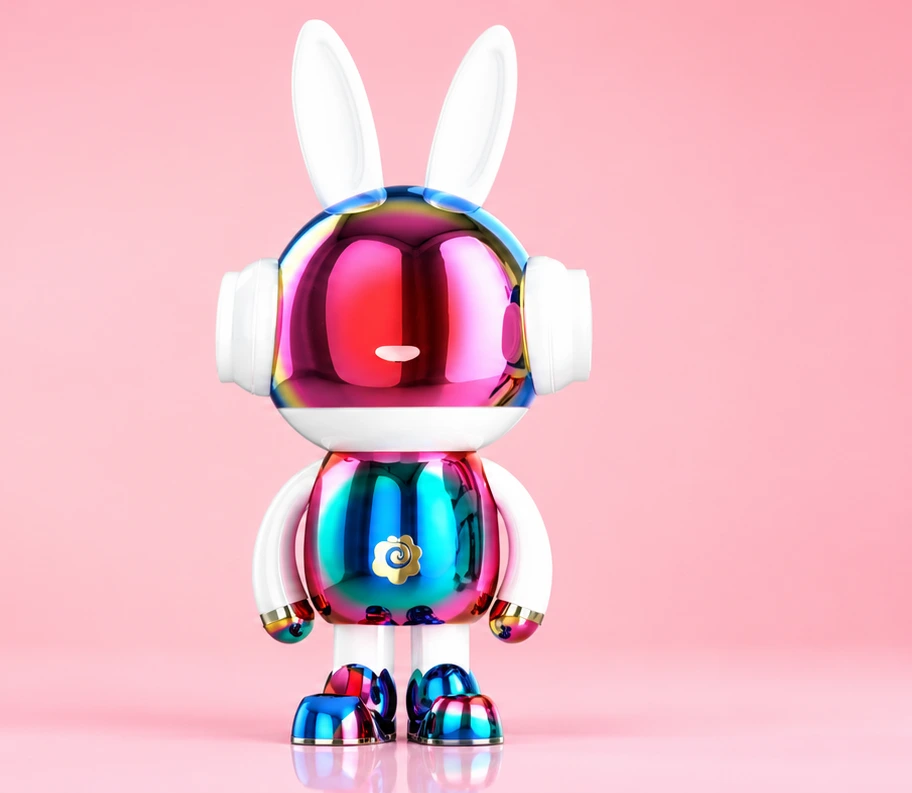
Use the model name and approved visual reference. Keep Ding Dong Bear and Lucky Rabbits distinct, and identify the individual style where one is selected. A broad collection name alone can leave colour, accessories and proportions unclear.
Provide enough views
A front image communicates only part of a three-dimensional object. Share approved side and rear views or a model where available. Mark the elements that cannot change and explain the expected viewing distance. A production proposal should identify how unresolved areas will be confirmed.
Keep size and functionality separate
Read the dimensions from the individual sheet. Some references show a speaker base, but that does not make audio a default feature across the family. If sound, lighting or interaction is required, make it an explicit part of the scope and confirm the relevant technical and local requirements.
Confirm use and site responsibilities
Share the permissions for the character artwork, its installation location, visitor interaction, display duration and relocation needs. We review these with you alongside the model or new character design, then identify the agreed services and responsibilities.
Make the approval file usable
Keep the approved model name, views, dimensions and any authorised graphic treatment together in one versioned file. Distinguish a requested change from a feature already shown on the catalogue model. Mark unresolved questions so that the final approval does not accidentally include an assumption about colour, accessories or base functionality.
Identify the character before comparing the offer
A character display RFQ should begin with collection, model, approved artwork and variant. A mascot identity checklist should include silhouette, face, ears, pose and graphic treatment. For character product comparison, keep each model dimension record separate, especially where one model has a distinct base note. A branded figure approval file should show what must remain consistent and which changes are actually being requested.
Put the figure into the display layout
A character display layout should show the entire figure, base and nearby fixtures. For retail mascot placement, include the approach view and public-access assumptions. A character figure height check must include ears or other projections within the accepted overall envelope. A mascot installation inquiry should name the destination and receiving route and ask who reviews support and final positioning. Do not infer a universal stability or fixing solution from a product sheet.
Confirm permission, function and components separately
A character artwork permission question is separate from a product size question. A mascot electronics inquiry should identify the exact model and product note where a function is mentioned. For character base procurement, ask which component is included and how its dimensions relate to the body. A character order specification should preserve those decisions alongside quantity, finish, packing and destination scope. A clear review record prevents the features of one bear or rabbit from migrating into another model's offer.
Bring this to your project brief
The exact artwork or model reference.
Dimensions with units, body/base distinction and intended setting.
The questions still requiring material, scope or site confirmation.
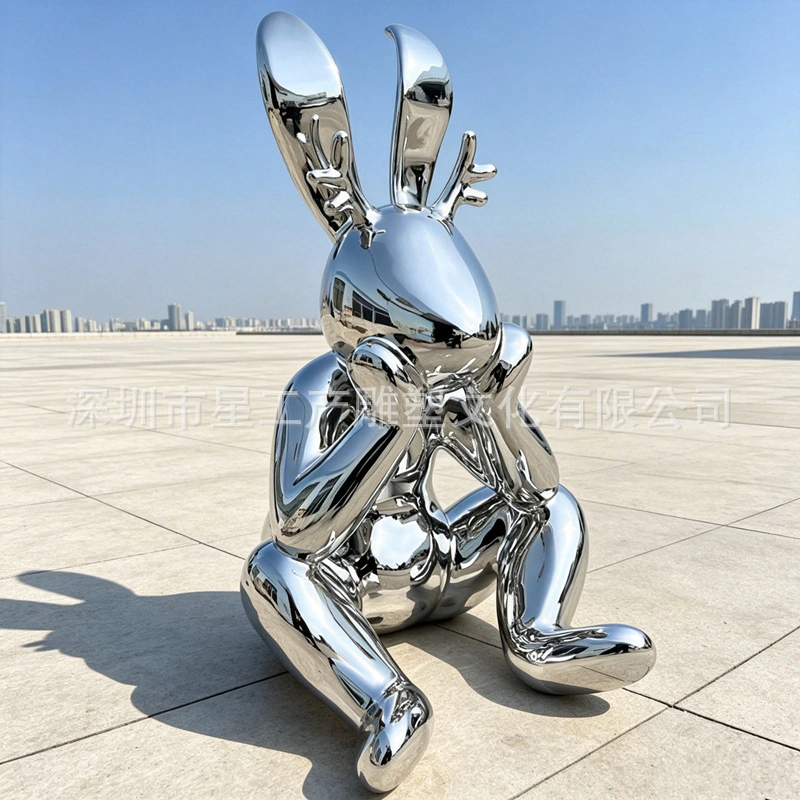
Explore our stainless steel mirror-finish rabbit sculpture for public plazas. Compare the product views, review the stated material and request a quotation for reference XGC2026539. Product 1079021685016.
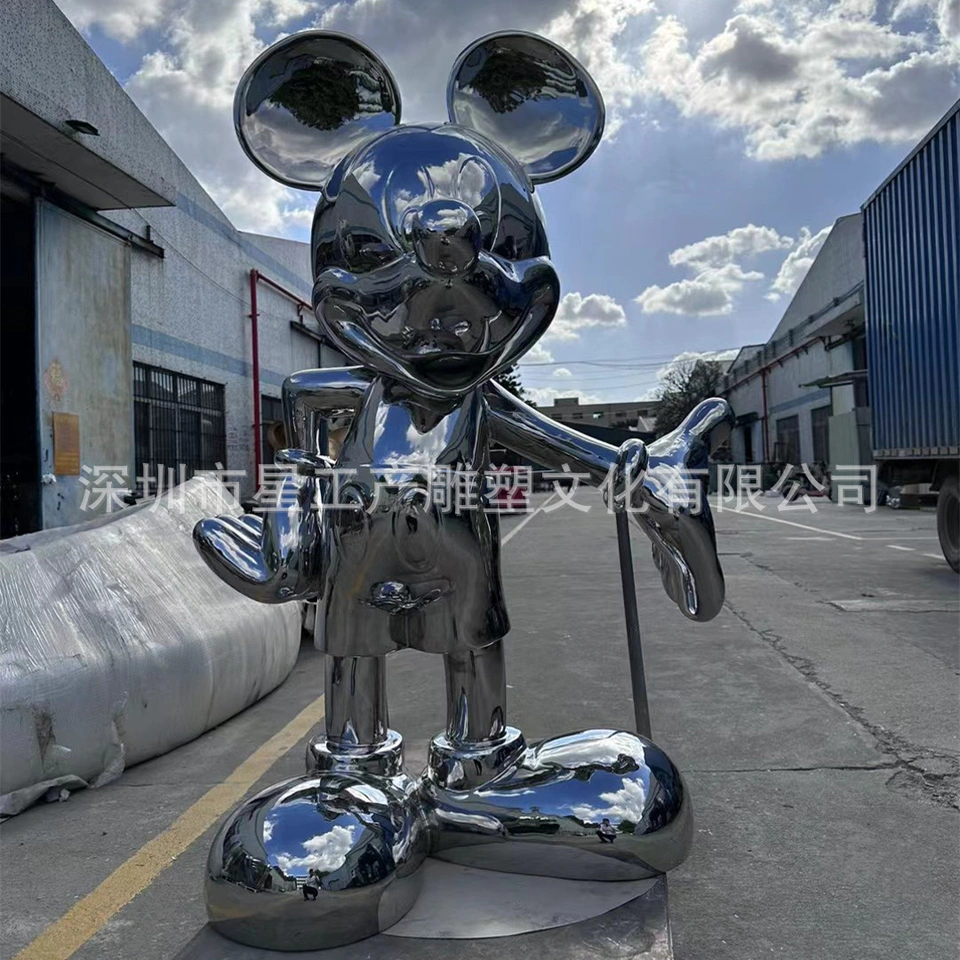
Explore our stainless steel mirror-finish mouse sculpture for public plazas. Compare the product views, review the stated material and request a quotation for reference XGC26330256. Product 1038083555615.
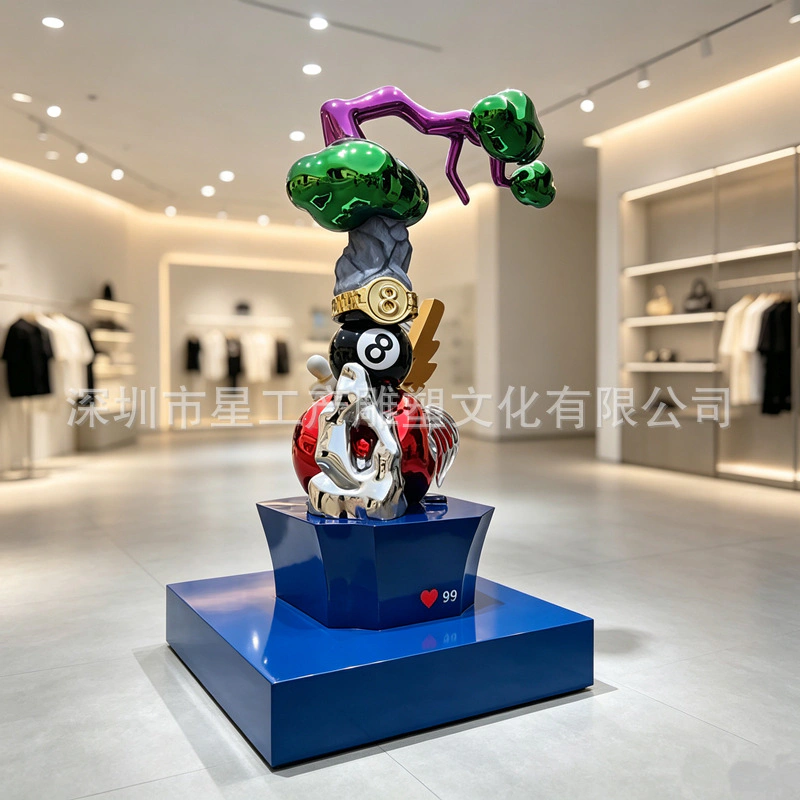
Explore our fiberglass (frp) character sculpture for interior settings. Compare the product views, review the stated material and request a quotation for reference XGC2026484. Product 1068906007559.
Which identity details should a character display brief include?+
Include model or artwork reference, silhouette, face, ear shape, pose, colours and graphics, with supporting views where available. Mark features that must remain unchanged.
Should the character base be listed separately in an order?+
Yes, when it is a separate or requested component. Confirm its dimensions, inclusion, function and relationship to the figure rather than assuming every model uses the same base.
What permissions do we need for a branded character display?+
Send us the approved character artwork and permissions for the intended display or adaptation. We review the relevant use and brand requirements with you before agreeing the project.
Can I assume all headset characters have Bluetooth functionality?+
No. Functions remain specific to the identified model and component. Confirm the exact current specification and documentation for the proposed order.
What should the display layout show around a character figure?+
Show the full envelope, base, furniture or fixtures, approach view and receiving route. Include the site's known restrictions and questions requiring technical review.
How should a character order be checked before approval?+
Compare the accepted model and variant, artwork revision, body/base dimensions, confirmed functions, components, quantity, finish and scope on one identified record.
EVERY PROJECT STARTS WITH A CONVERSATION
What do you have in mind?
A sketch, a reference or an early idea. Tell us about the space.