Character & Brand Displays
Custom Character Sculpture: An Approval Checklist for Brand Teams
Keep a character recognizable as it becomes a physical display. Review artwork rights, three-dimensional form, dimensions and finish as separate approvals.
TL;DR / THE DIRECT ANSWER
The decision, in brief.
- Approve the exact character reference, permitted use and the person authorized to sign off before developing a display.
- Review silhouette, proportions and details in multiple views; confirm the body, base and overall envelope with units.
- Keep finish samples, model revisions and repeat-order references in one approval register.
A custom character sculpture approval checklist helps a brand team protect the details that make a figure recognizable. Moving from a flat illustration to a three-dimensional object introduces choices about the side profile, back, proportions, surface and display height. Those choices should be visible before they become production assumptions.
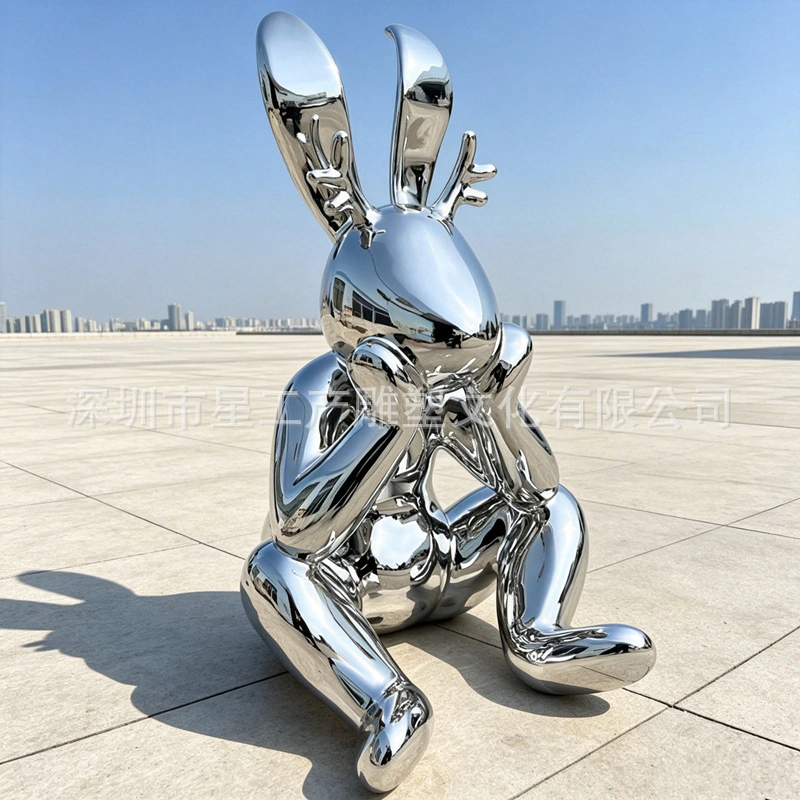
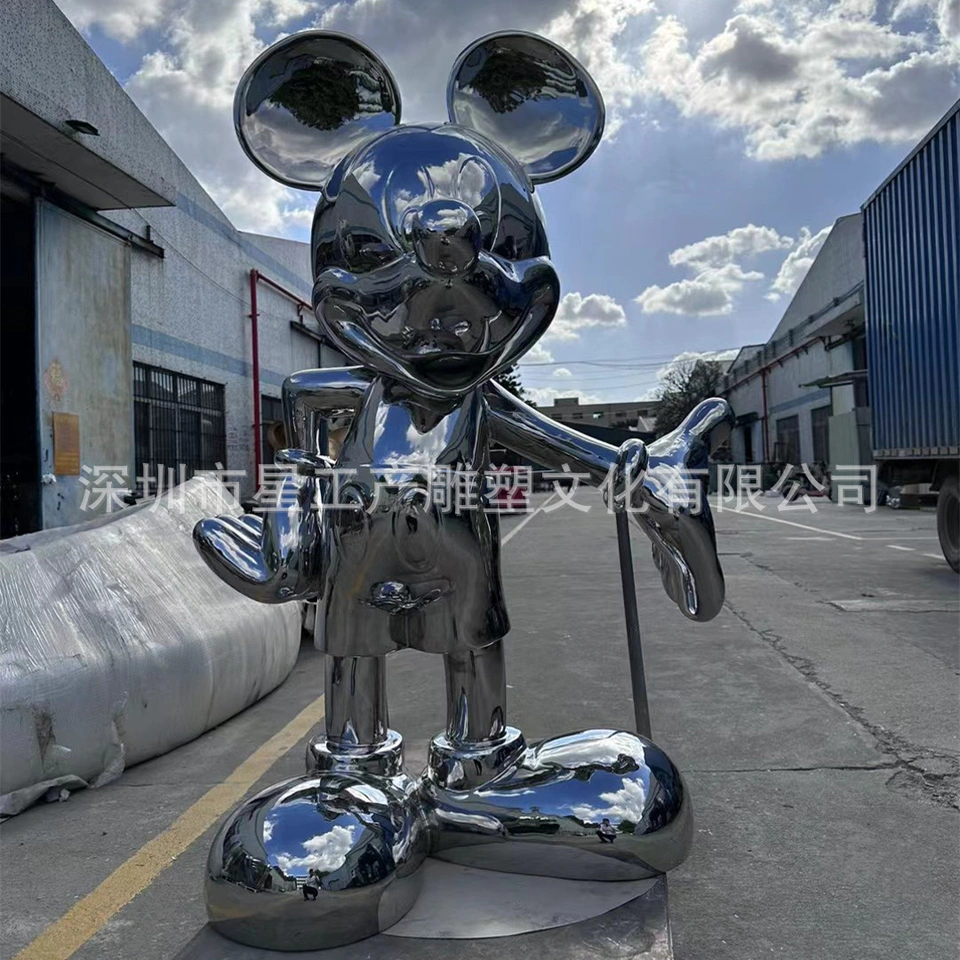
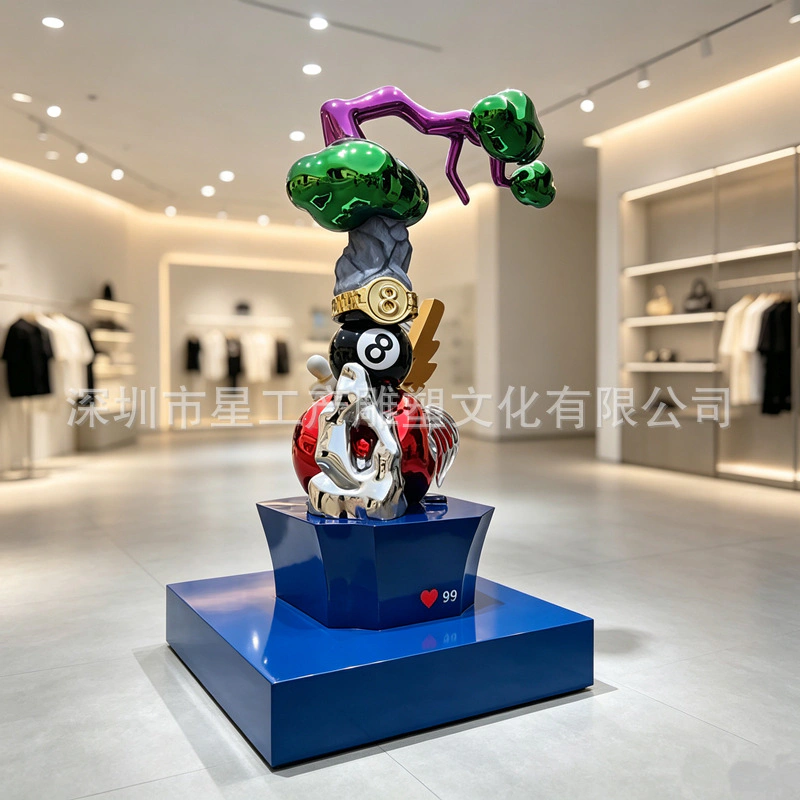
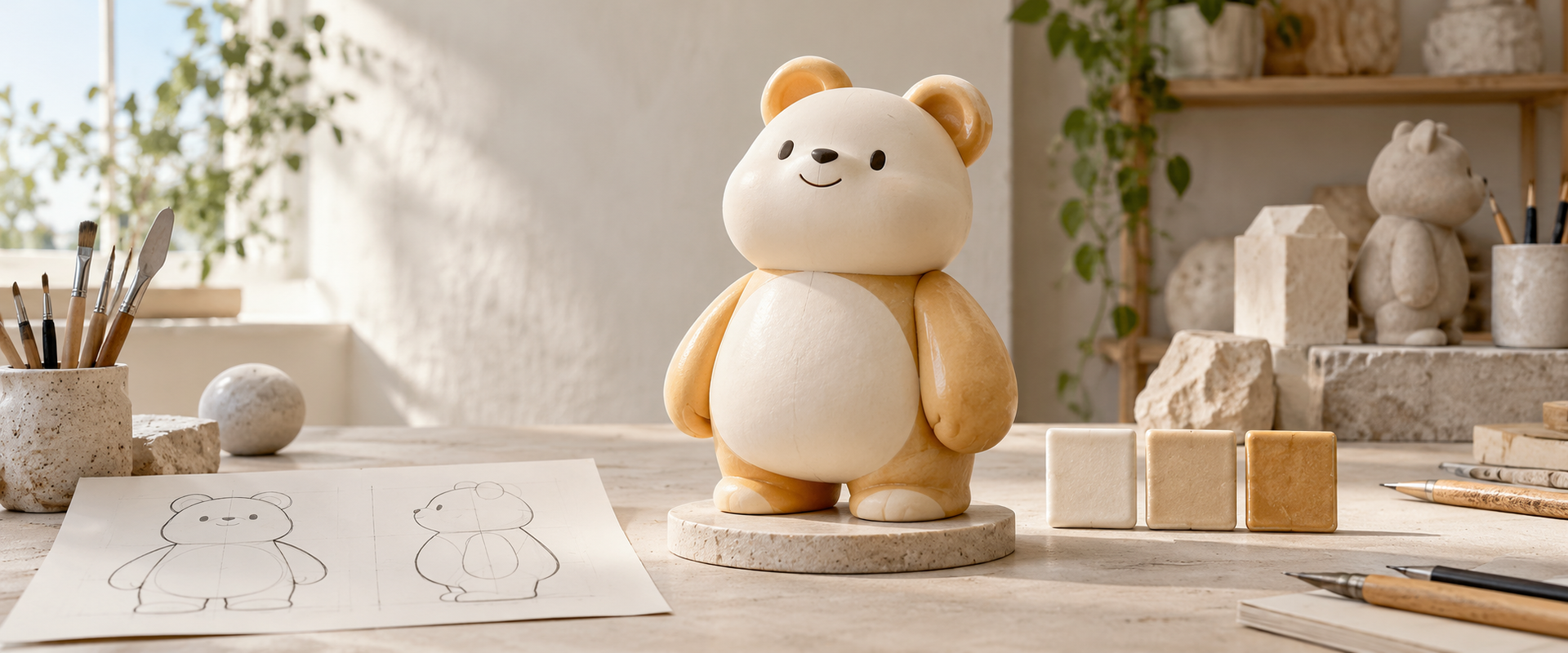
We work with character displays and individual models, including Ding Dong Bear and Lucky Rabbits. Use the process below for an identified model or an authorized custom character. It keeps design identity, dimensions, appearance and destination responsibilities connected without treating them as one general approval.
Identify the approved artwork and permission to use it
Create a reference pack with the character name, artwork revision, front/side/back views if available, colour references and any do-not-change details. Name the person authorized to approve design development. Where different teams control marketing, merchandising and location operations, resolve who can approve the physical display.
WIPO’s character-merchandising report explains that characters can involve different rights and permissions. It is a background report, not current advice for every market. For your brief, identify the rights holder or authorization route and the intended use, territory, quantity and campaign context; have any legal uncertainty resolved by the appropriate adviser before committing the project.
Reference: World Intellectual Property Organization
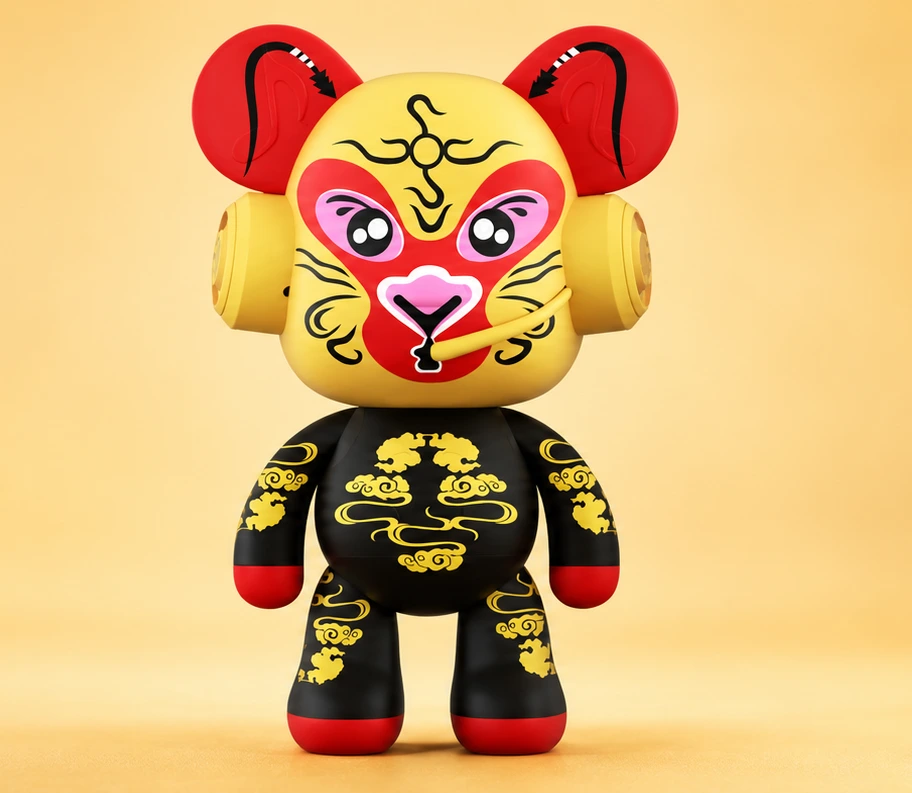
Review the mascot sculpture in more than one view
A front-facing rendering may hide a side profile that changes the character’s expression or a back that has never been defined. Review the silhouette from the principal approaches, then check the head-to-body relationship, gesture and critical features. Annotate requested changes against the same model revision.
For a brand display model register, keep one master reference and a change history. Distinguish an intended pose change from a correction to the approved design. If a feature needs technical development for making or support, review the visual effect of the proposed change with the authorized approver before releasing it.
| Approval item | Reference to retain | Decision owner to name |
|---|---|---|
| Identity & permitted use | Character/artwork revision and authorization record | Rights holder or authorized brand representative |
| Three-dimensional form | Approved views, pose and critical feature annotations | Brand/design approver |
| Dimensions | Model, variant, units and body/base/overall distinction | Buyer and display designer |
| Colour & finish | Approved physical sample or defined reference conditions | Brand appearance approver |
| Display interface | Base, public contact and destination layout | Site/design team |
| Repeat order | Approved master, variant schedule and change history | Buyer and production liaison |
Confirm the model and dimension order before comparing sizes
Keep each variant on its own schedule line. Record the model name, dimension units and the meaning of the order shown. A body height and an overall display height answer different questions when a base or platform is involved. Do not stretch a photograph to make two variants look proportional.
For example, our MR. HACKER Silver model lists 190 × 160 × 300 mm in L × W × H order. That is a model-specific reference, not a universal size for the collection. Use the individual product page for the selected variant, then agree the overall display envelope and any different custom dimension as a separate project decision.
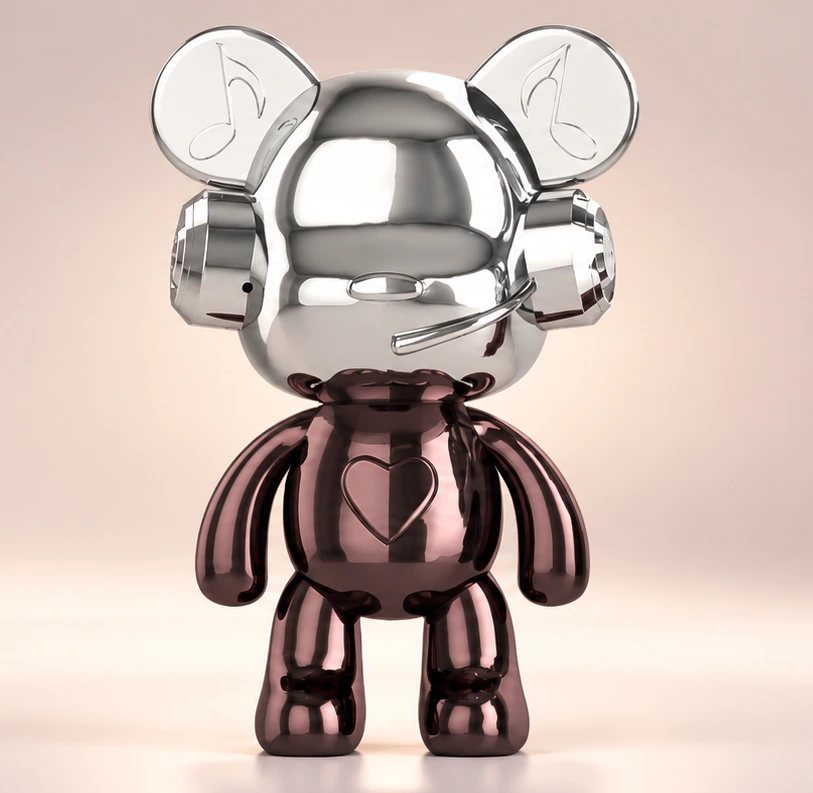
Treat character sculpture colour approval as its own gate
Define the colour areas, sheen and surface effects that matter to the brand. A metallic-looking head, a painted body and printed graphics may need different approval references. Keep the reference conditions clear: sample identity, lighting, viewing distance and the person who accepts the result.
Screen images are useful for discussing direction, but do not resolve every physical colour or reflective effect. Where a sample is required, identify how it relates to the final surface and which details it approves. If a later change affects size, form or graphics placement, record whether the earlier appearance approval still applies.
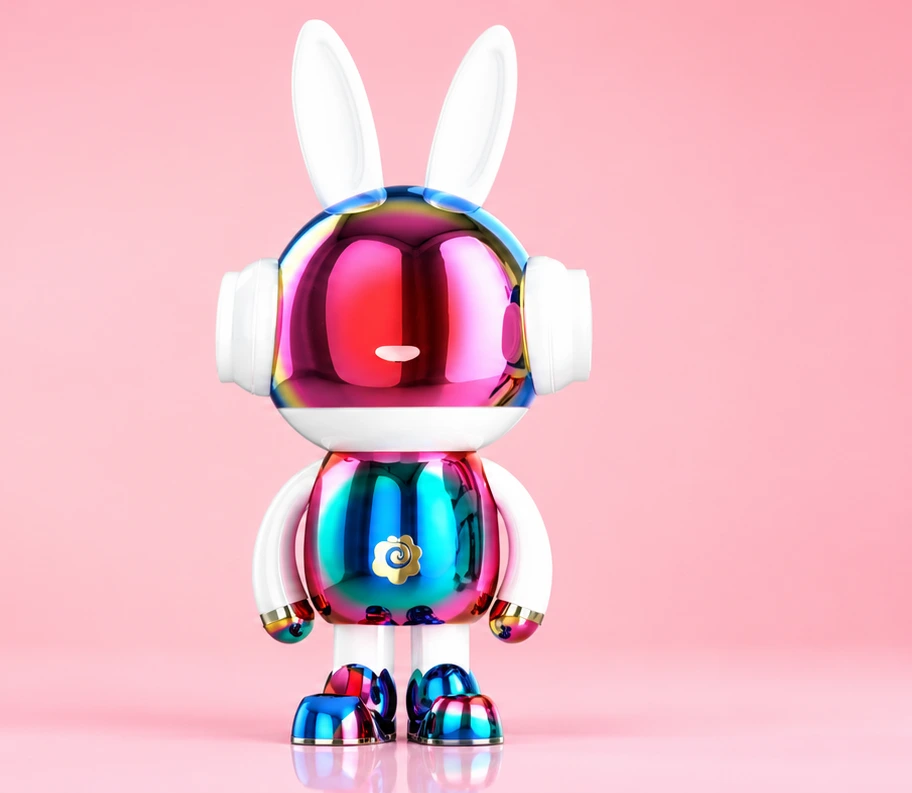
Coordinate the physical display and any repeat order
Show where the sculpture will stand, how close visitors can approach and whether it will be touched, moved or displayed behind a boundary. Record the proposed base and any location-specific requirements. A decorative model does not acquire functional or interactive suitability simply because a campaign image shows people nearby.
For multiple locations, maintain one master approval record and a site-by-site variant schedule. List size, finish, quantity and destination against each item. Confirm whether later orders follow the original master or a revised version so an old image or informal message does not become the accidental production reference.
Release a character display with a complete approval pack
Before release, make sure the identity, form, dimensions, finish and destination interface records point to the same revision. Assign a response owner for each open question. Keep appearance acceptance and technical/site acceptance visible even if the same person signs both.
At receiving, compare the identified model and components with the packing list and approval record. Retain condition photographs and the relevant care instructions. Send us your authorized artwork or selected model, approximate display size, quantity, location and campaign programme so we can discuss the next approval step with you.
VISUAL COMPARISON
Compare the details that distinguish two character models
MR. HACKER Silver
XIN XIAO
THE DECISION FLOW
Character sculpture approval sequence
- 01
Confirm identity
Identify the artwork revision, use and authorized approver.
- 02
Approve the form
Review pose, proportions and critical details in multiple views.
- 03
Approve size & surface
Record the selected variant, units and appearance reference.
- 04
Release the display
Align base, destination scope and repeat-order records.
TAKE THIS TO YOUR PROJECT MEETING
Your project checklist.
- Identify the exact character/model and permitted use.
- Review front, side and back form where relevant.
- Keep a dated model revision and change history.
- Record variant dimensions, units and overall display envelope.
- Retain approved colour/finish sample references.
- Align the destination and repeat-order schedules.
Print this guide or save it as a PDF to keep the checklist with your brief.
FROM OUR DESIGN & MAKING TEAM
XGC Sculpture Editorial Team
We write about the decisions behind sculpture design, making and installation. Our guides bring material, spatial and commissioning questions into a practical brief you can discuss with our team.
We link external technical and regulatory references to their original publishers. Project-specific engineering, permissions and site approvals remain with the responsible specialists.
Explore our workshopSources & further reading.
External references checked on Oct 20, 2026. Read each source in its stated context.
- Character Merchandising World Intellectual Property Organization
Background report dated December 1994 on rights and permissions. It is not current country-specific legal advice.