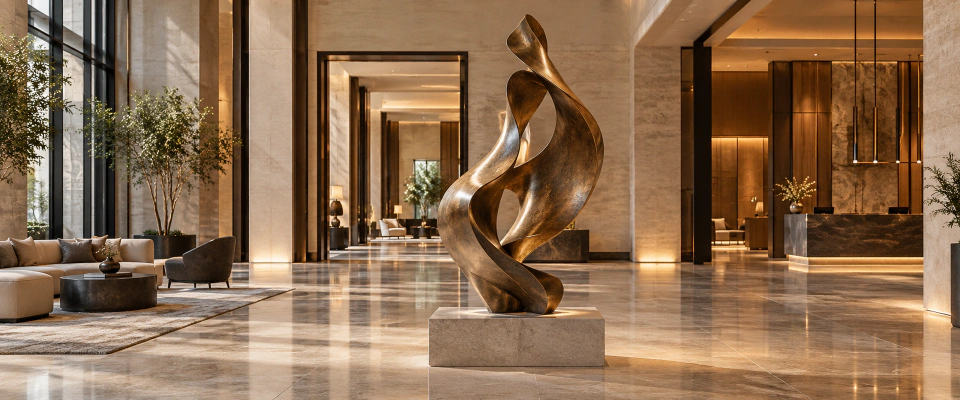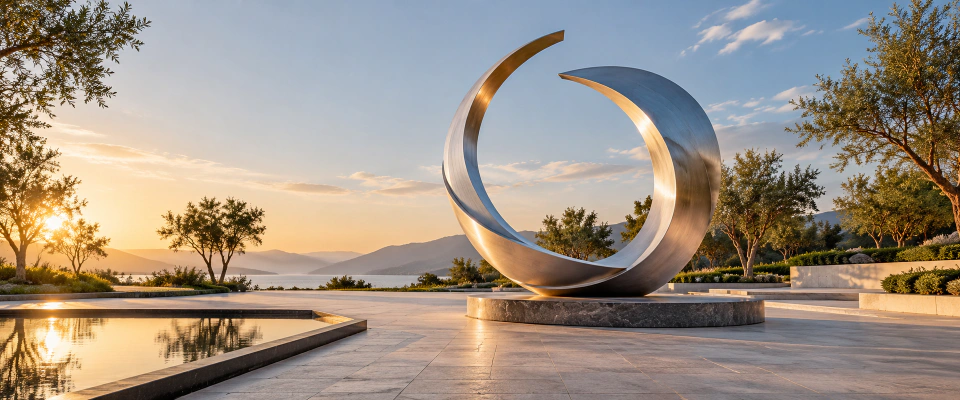
Sourcing & Procurement
Custom Sculpture Quotations: Compare the Scope, Not Just the Price
Turn competing sculpture offers into a like-for-like decision with a scope matrix, approval register and practical questions for your next inquiry.

TL;DR / THE DIRECT ANSWER
The decision, in brief.
- Compare the same design revision, dimensions, material specification, finish and destination scope before comparing totals.
- Keep design approval, appearance approval, fabrication release and delivery acceptance as separate decisions.
- Ask each supplier to identify inclusions, exclusions and open assumptions in writing; then price the same scope.
A custom sculpture quotation comparison is useful only when the offers describe the same commission. A polished rendering and a total price can still leave the base, internal support, finish approval, packing and site work unresolved. For project buyers and designers, the first task is to turn those hidden assumptions into visible line items.
We work through artwork, material, scale and installation questions with you. The matrix below helps you prepare one brief for every shortlisted supplier, so your commercial decision reflects the complete project rather than whichever offer contains the fewest words.
Set one quotation baseline before requesting revisions
Give the inquiry a revision number and date. Attach the exact front, side and plan references being priced, then state the overall width, depth and height with units. If you know only a target size, label it as a target so it is not confused with an approved fabrication dimension. Separate the artwork body from its pedestal and any site-built platform.
List quantity, installation address, indoor or outdoor use, and the decision date you are working toward. Photographs of the location help us understand the visual brief; a receiving plan helps identify scope that a beauty image cannot show. Ask every bidder to return the same reference number and record any proposed substitution on a separate line.
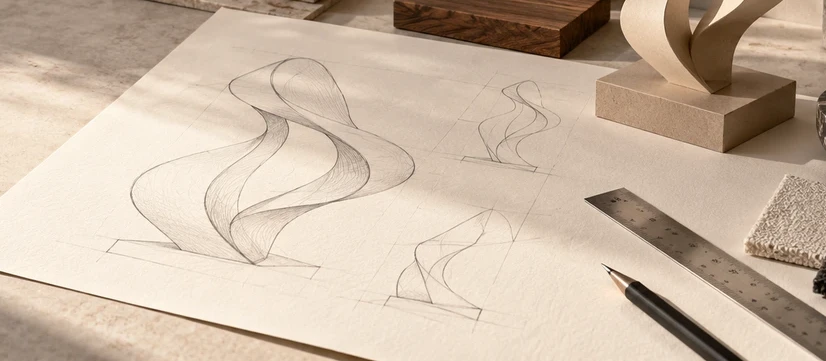
Use a scope matrix to compare sculpture suppliers
Ask for a response in each row: included, excluded, provisional or awaiting information. A blank cell is an unresolved question. If two suppliers suggest different construction routes, compare the proposals against the same visual result, site conditions and acceptance evidence rather than treating different solutions as identical products.
Keep allowances visibly separate from fixed items. For example, destination installation may depend on a site survey that has not happened yet. Record what would resolve the allowance, who supplies that information and when the offer will be revised. This creates a useful sculpture procurement matrix without pretending every unknown can already have a firm price.
| Scope line | Ask the supplier to identify | Evidence for comparison |
|---|---|---|
| Artwork & revision | Drawing/model reference and included components | Dated approved views and item schedule |
| Material & construction | Body material, proposed grade where relevant, support and joints | Written specification and fabrication scope |
| Surface appearance | Colour, texture, sheen and sample approval | Agreed sample and inspection conditions |
| Base & fixing interface | Artwork base versus foundation/site work | Interface drawing and responsibility register |
| Packing & transport | Crate count, handling scope and named delivery point | Packing proposal and delivery terms |
| Installation & handover | People, access, equipment and documents included | Destination scope and acceptance checklist |
Ask what changes the work, not for a generic price per metre
Two sculptures with the same overall height may involve different numbers of components, surface transitions, joints and approval steps. Quantity may change the balance between development and repeat making. A quotation should describe the actual scope it prices; a height-only comparison does not capture those differences.
When you request an alternative, ask the supplier to identify what changes visually and what changes in the scope. A simpler arrangement, a different surface or a revised size might answer a budget constraint, but it must be a decision you can review. Keep the original and alternative offers side by side rather than overwriting the specification that your design team approved.
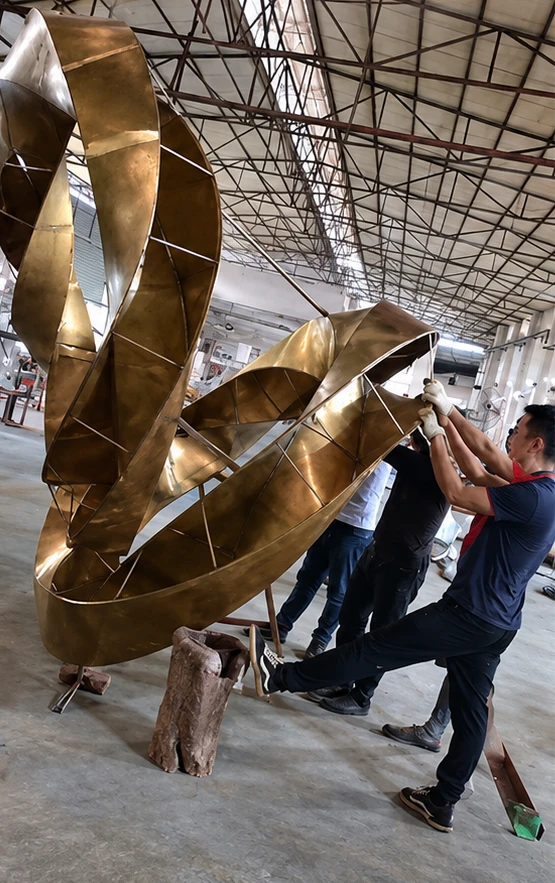
Give each approval a deliverable and a decision owner
Use a sculpture approval register instead of one general “approved” email. Identify the person who can sign off the silhouette, the person responsible for the installation interface and the person who accepts the finished appearance. Some projects combine those roles; others need separate client, design and site decisions.
Watford Borough Council’s commissioning toolkit treats the brief, site context, responsibilities and decision-making as part of the commissioning framework. For a private or cross-border order, adapt that principle into an agreed record for your project. Confirm how revisions after an approval affect the scope and schedule before releasing the next stage.
Reference: Watford Borough Council
Compare the delivered project, including the final receiving point
Write down where transport ends and receiving begins. “Delivery included” may still leave unloading, opening crates, movement through the building and placement outside the priced work. Ask about the packed envelope and handling access before an artwork size is locked for a location with narrow doors or limited lifting access.
ICC’s Incoterms® guidance defines trade responsibilities, costs and risks, but the sculpture brief also needs a clear installation and acceptance scope. Record the agreed rule and named place where used, then list the remaining destination tasks. Request a handover pack with approved references, component identification, appearance acceptance notes and the care information relevant to the chosen surface.
Reference: International Chamber of Commerce
Send a brief that makes the next quotation useful
Before requesting a final offer, resolve the cells that materially change the work. If a decision must stay open, write it as an assumption with a named owner and review date. Send the same clarification to every shortlisted supplier so a late revision does not make the comparison uneven again.
For a bespoke sculpture purchase checklist, use the printable list below in your project meeting. Bring your selected artwork, approximate dimensions, site views, quantity and scope questions to us. We can then discuss the commission against a shared baseline and identify the next design or technical decision.
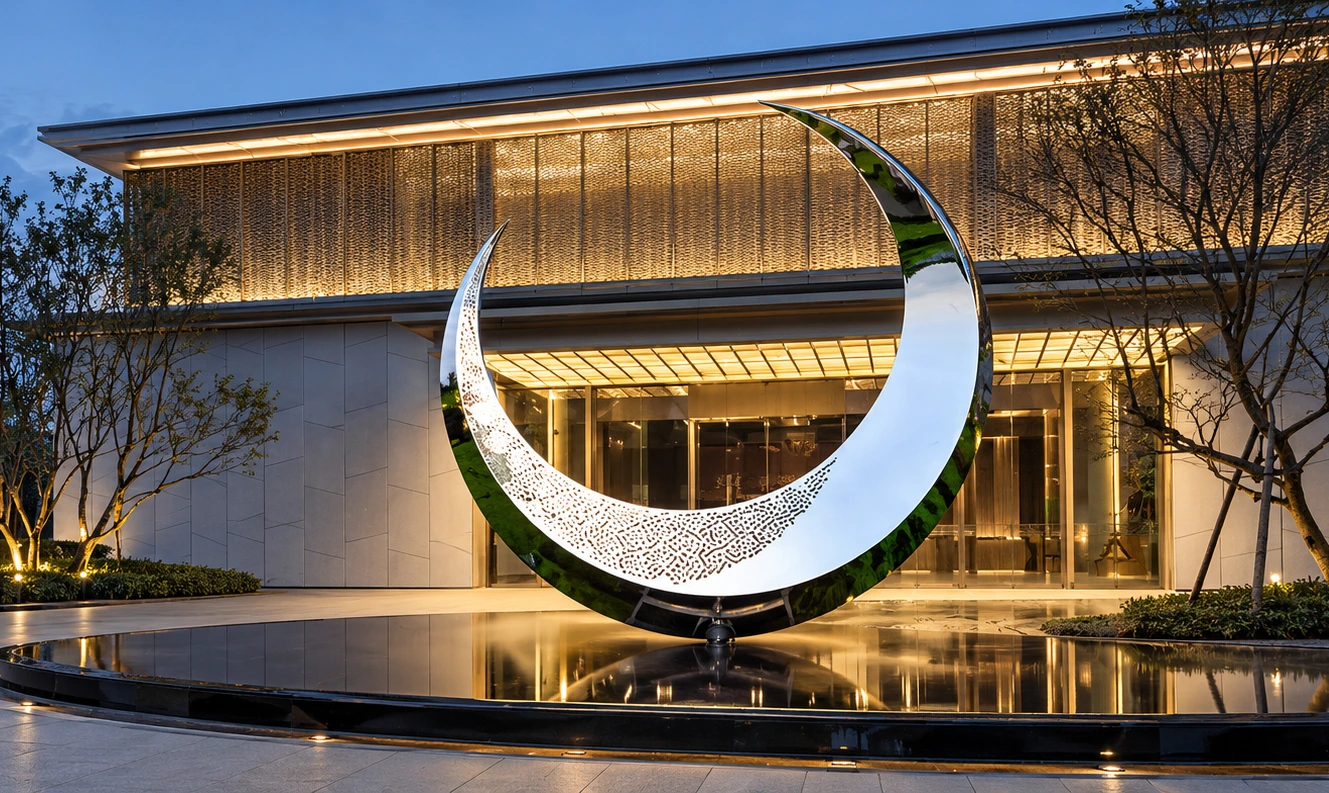
VISUAL COMPARISON
A reference image versus a commission ready for comparison
Visual direction
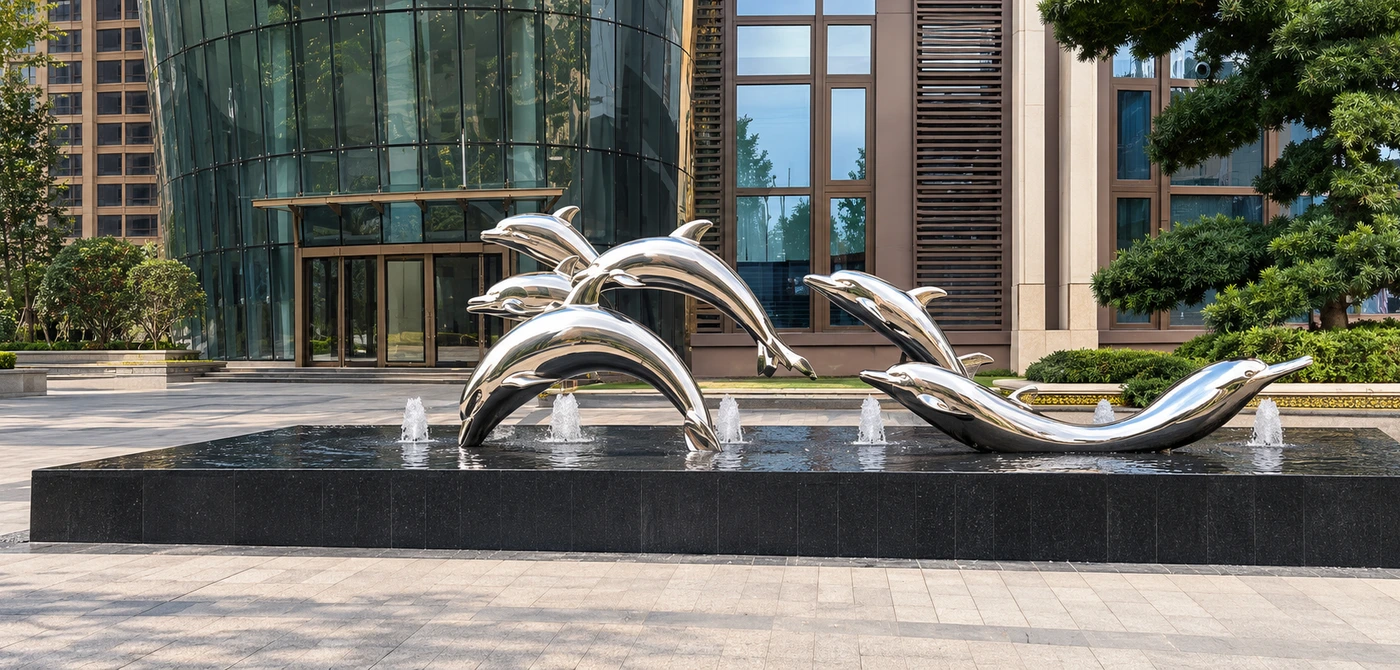
Defined project scope
THE DECISION FLOW
A practical quotation review sequence
- 01
Issue one brief
Send the same revision, item schedule and destination information.
- 02
Resolve differences
Record substitutions, allowances and exclusions line by line.
- 03
Confirm approvals
Name decision owners and the deliverable required at each gate.
- 04
Release an agreed scope
Approve the final offer and destination responsibilities together.
TAKE THIS TO YOUR PROJECT MEETING
Your project checklist.
- Record the drawing/model revision and dimension units.
- Separate artwork, base, site works, packing, transport and installation.
- List material and finish approval evidence.
- Name the delivery point and the receiving/installation owners.
- Keep alternatives, allowances and exclusions visible.
- Agree how later revisions will be reviewed and priced.
Print this guide or save it as a PDF to keep the checklist with your brief.
FROM OUR DESIGN & MAKING TEAM
XGC Sculpture Editorial Team
We write about the decisions behind sculpture design, making and installation. Our guides bring material, spatial and commissioning questions into a practical brief you can discuss with our team.
We link external technical and regulatory references to their original publishers. Project-specific engineering, permissions and site approvals remain with the responsible specialists.
Explore our workshopSources & further reading.
External references checked on Oct 20, 2026. Read each source in its stated context.
- Public Art Commissioning Toolkit 2025 Watford Borough Council
Commissioning framework, scope, site appraisal and decision responsibilities; local public-art guidance, not a universal contract.
- Incoterms® 2020 International Chamber of Commerce
Trade rules allocate defined delivery obligations, costs and risks; a complete project scope needs additional agreement.