Materials & Finishes
Stainless Steel vs Fiberglass Sculpture: Choose for the Site
A site-first comparison of reflective metal and painted character forms, with the questions that turn a material preference into an agreed specification.

TL;DR / THE DIRECT ANSWER
The decision, in brief.
- Choose a material together with the sculpture form, intended surface, environment and support proposal.
- A shiny or metallic colour is an appearance choice; it does not identify the artwork body material.
- Ask for a project-specific specification and appearance sample rather than assuming every metal or fiberglass sculpture performs alike.
Stainless steel vs fiberglass sculpture is a useful starting question for a designer, but it is not a complete specification. The more practical question is which combination of body, surface, structure and care plan suits the artwork and the place. We use the intended form and environment to frame that discussion.
Our sculpture categories include stainless steel and fiberglass work. The examples here show visual directions, not interchangeable performance ratings. Use the comparison to prepare a material brief, then agree the actual construction and surface for your selected commission.
Start with the form and the surface you want people to see
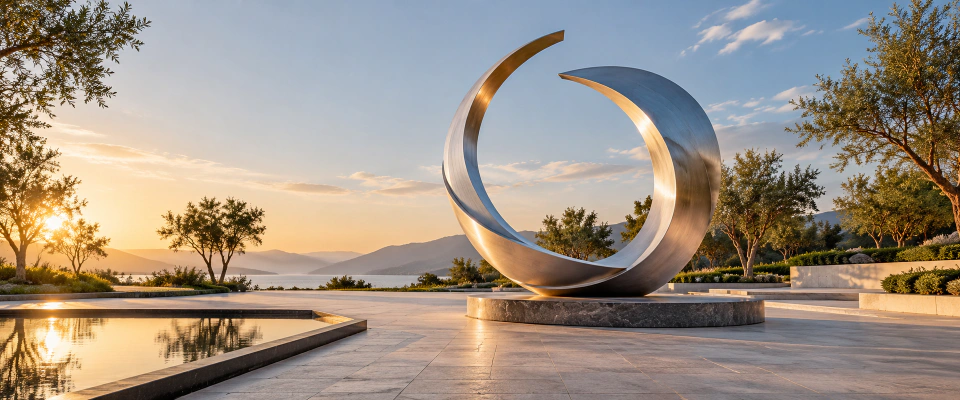
A reflective metal loop, a faceted animal and a smooth painted character communicate different things. Identify the silhouette, edge character, visible joints, colour and sheen that matter most to the design. If a specific reflection or seamless-looking painted surface is essential, include a close reference and the lighting under which it will be judged.
Fiberglass sculpture is commonly discussed as a reinforced composite route for shaped forms, while stainless steel sculpture uses a metal body. The material name alone does not describe the support, assembly or finish. Keep the visible appearance requirement beside the written material requirement so a metallic coating is not mistaken for solid metal.
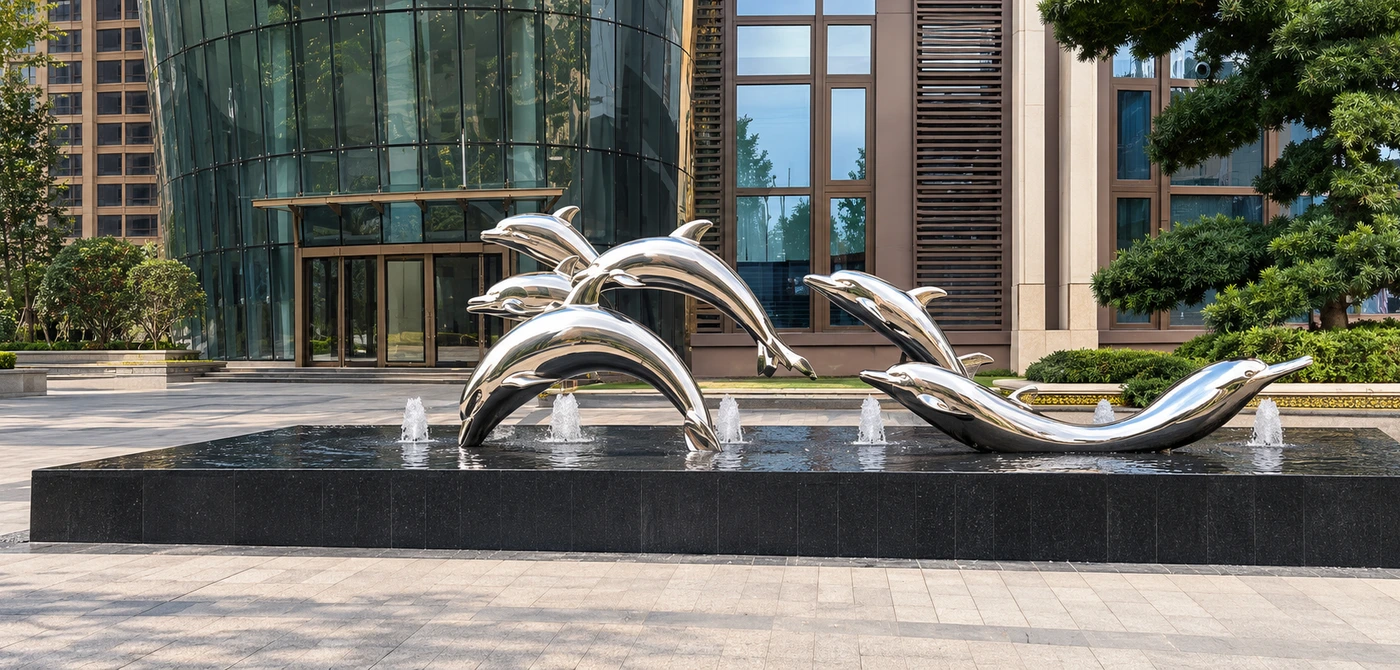
Use a sculpture material comparison tied to decisions
Avoid treating “light,” “durable” or “weatherproof” as complete selection criteria. The weight of a finished assembly depends on its size, wall or laminate design, internal supports, base and hardware. Outdoor suitability depends on more than the face material: finish, joints, drainage, site exposure and future care all need attention.
The table lists what to ask, not a universal winner. It keeps the choice connected to the drawing and environment. Where engineering is required, the responsible designer should resolve loads and attachment separately from the appearance review.
| Decision | Stainless steel route | Fiberglass route |
|---|---|---|
| Visual language | Confirm reflection, texture, visible seams and edge detail | Confirm painted surface, colour, texture and mould/assembly detail |
| Body specification | Identify proposed grade and construction for this environment | Identify the proposed composite, support and surface system |
| Surface acceptance | Compare a sample under intended light and viewing distance | Compare approved colour/sheens and critical detail samples |
| Exposure | Discuss deposits, water, chlorides and cleaning access | Discuss sunlight, water, coating suitability and repair access |
| Handling & base | Request actual assembly weight and approved handling points | Request actual assembly weight and approved handling points |
| Long-term care | Agree the surface-specific cleaning and inspection plan | Agree coating care, inspection and touch-up responsibilities |
Make outdoor sculpture material selection site-specific
Tell us whether the work sits indoors, under a canopy, in an open landscape or beside water. Describe coastal or road-salt exposure where relevant, irrigation spray, cleaning products used nearby and areas that stay wet. A site photograph is helpful, but those operating conditions need words as well.
worldstainless explains that stainless steels are a family of alloys whose benefits depend on selecting the material for the application. Its June 2026 structural webinar is useful current industry context; it is not a grade or thickness prescription for a sculpture. Request the grade and surface proposal for your actual commission rather than borrowing a blanket indoor/outdoor rule.
Reference: worldstainless · worldstainless
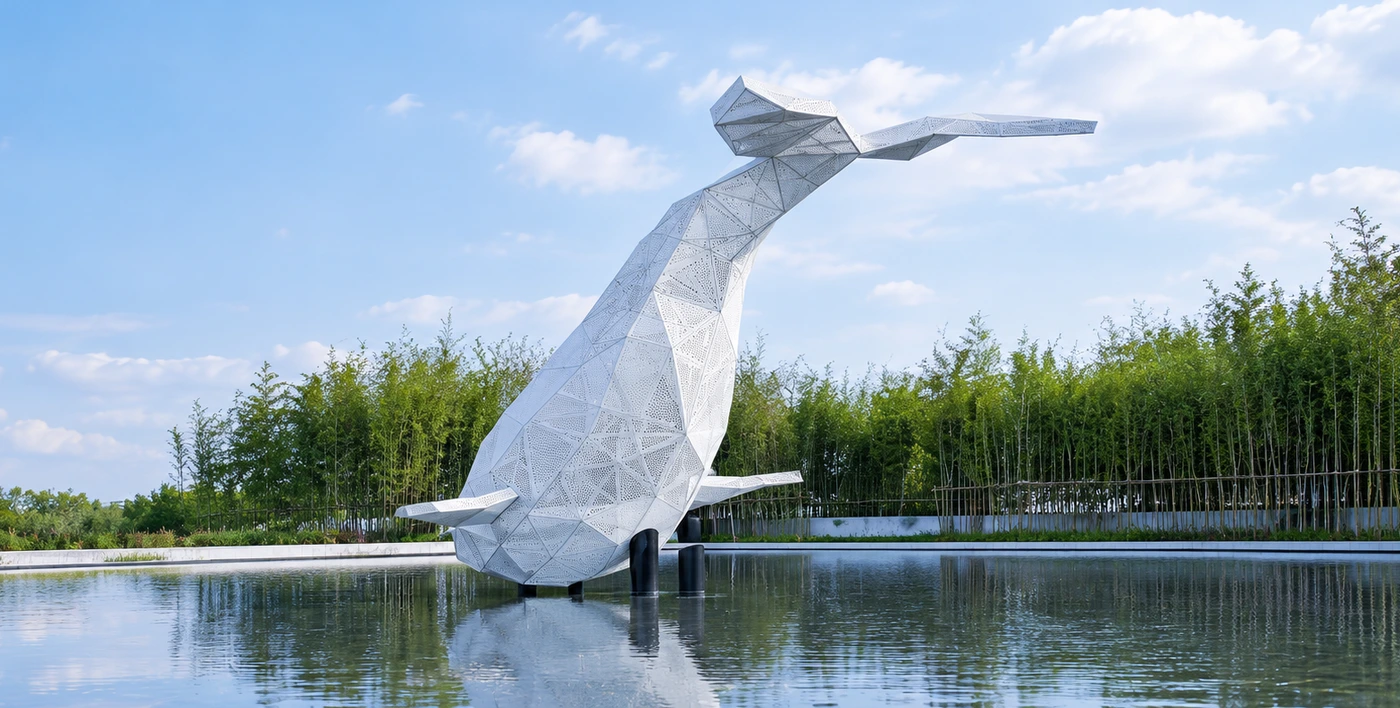
Approve samples before judging the finished artwork
Use a sample to review the effect you intend to buy. For polished metal, discuss reflection, texture and the agreed approach to visible transitions. For a painted sculpture, record colour reference, sheen, texture and whether different components need separate samples. A photograph viewed on two screens is not a controlled colour standard.
State the review distance and lighting in the acceptance record. A surface that looks calm in soft daylight may read differently under a strong spotlight. If a later size or shape change alters how the finish is made or viewed, revisit the appearance approval rather than assuming the earlier sample settles every question.

Compare ownership tasks as well as the purchase scope
Ask who will clean the sculpture and how they will reach it. A reflective piece at hand height and an elevated character display have different access and inspection needs. Record approved cleaning instructions for the selected surface, along with the contact route for damage or finish questions.
Keep a baseline set of photographs at handover and inspect the artwork after events that could affect it, such as relocation or nearby construction. Do not choose a repair method solely from the material category: the actual finish, attachments and any previous treatment matter. Include care access and the intended inspection responsibility in the design conversation.
Choose the route that meets your brief, then define it
Use your priorities to narrow the options: silhouette, colour, reflection, touch exposure, site conditions and the ability to inspect and maintain the work. Ask us to discuss the material direction against those priorities. If both routes remain suitable, compare proposals using the same size, approval evidence and destination scope.
The next step is a written sculpture specification, not a label alone. Bring the form, intended setting and surface references to our team. We can help develop the commission while the responsible project specialists resolve the site-specific technical requirements.
VISUAL COMPARISON
Two visual directions, two specification conversations
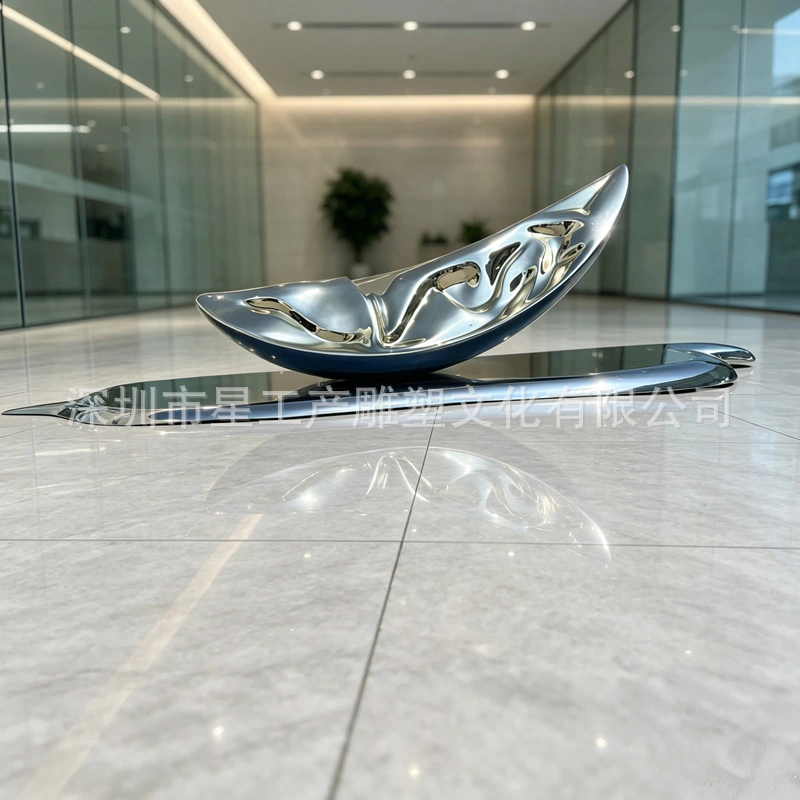
Reflective metal
Painted shaped form
THE DECISION FLOW
From material preference to an approved proposal
- 01
Name the effect
Record silhouette, colour, reflection and viewing conditions.
- 02
Describe the place
Identify exposure, public contact, water and care access.
- 03
Review the system
Confirm body, support, finish and attachment responsibilities.
- 04
Approve evidence
Agree samples, drawings and the handover care record.
TAKE THIS TO YOUR PROJECT MEETING
Your project checklist.
- Describe the artwork body and finish separately.
- Record indoor/outdoor conditions and unusual exposure.
- Request the actual proposed material and construction.
- Agree sample, lighting and viewing distance.
- Confirm weight, handling and fixing from the proposal.
- Name the person responsible for inspection and care.
Print this guide or save it as a PDF to keep the checklist with your brief.
FROM OUR DESIGN & MAKING TEAM
XGC Sculpture Editorial Team
We write about the decisions behind sculpture design, making and installation. Our guides bring material, spatial and commissioning questions into a practical brief you can discuss with our team.
We link external technical and regulatory references to their original publishers. Project-specific engineering, permissions and site approvals remain with the responsible specialists.
Explore our workshopSources & further reading.
External references checked on Oct 20, 2026. Read each source in its stated context.
- Building with stainless steels for a resilient and low-maintenance future worldstainless
Material selection must fit the application; this is general industry guidance, not a specification for an XGC artwork.
- Structural Stainless Steels — 2 June 2026 worldstainless
A current industry webinar about structural applications, not a sculpture thickness or grade schedule.